THE SILENT BOY
A play adapted from the novel by Lois Lowry
Lois Lowry wrote the novel, The Silent Boy, which is known as a historical fiction. A historical fiction is a story where the characters and events are made up – fiction – but it is based on the attitudes and experiences of the people during that period in time – history.
The main character is autistic, which is a form of learning disability. There are various levels of autism from mild to the more severe impaired. Do a search to find out more about autism and how it affects learning. Why would people who didn’t understand the disability have a fear of the person? How would you react if we had a student like that at the Academy? Think carefully about your answers and type them below. Use paragraph form and write in complete sentences.
Go to this link describing Autism
Kids with Autism are likely to respond by screming, fusing, and pouting. Kids with a very rar tipe of Autism called Savants lern to cullp withwhat they got by whoching other people.
The story takes place in 1910 in rural Pennsylvania. “Rural” means in the country rather then in a town. There are many words used during that period that are rarely used now. Using the Internet, find out what these words mean and see if you can find images for them. Cut and paste the image beside the word. For those that do not have pictures, type in a definition. 1910 antiques
Buggy: Horse Derron Buggy

Candlestick telephone: Telephone that looks like a candlestick Holder.

Party line: A very tall tower

Grindstone or millstone: Wheels that grind or crush


Grindstone Millstone
Kids with Autism are likely to respond by screming, fusing, and pouting. Kids with a very rar tipe of Autism called Savants lern to cullp withwhat they got by whoching other people.
The story takes place in 1910 in rural Pennsylvania. “Rural” means in the country rather then in a town. There are many words used during that period that are rarely used now. Using the Internet, find out what these words mean and see if you can find images for them. Cut and paste the image beside the word. For those that do not have pictures, type in a definition. 1910 antiques
Buggy: Horse Derron Buggy
Candlestick telephone: Telephone that looks like a candlestick Holder.
Party line: A very tall tower
Grindstone or millstone: Wheels that grind or crush
Grindstone Millstone
Ice box: A shed that you us as a refrigerator.

Moving pictures: pictures that move at a fast rate.


Indoor plumbing: Water that is pumped thought a house.

Sears Roebuck catalogue: Very old catalogues
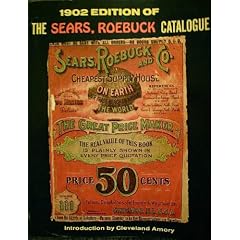

1902 Roebucks catalogue 1897 Roebucks catalogue
Moving pictures: pictures that move at a fast rate.
Indoor plumbing: Water that is pumped thought a house.
Sears Roebuck catalogue: Very old catalogues
1902 Roebucks catalogue 1897 Roebucks catalogue
Horseless carriage: Buggy that has a engine


As we discussed earlier, this novel is a historical fiction. The Triangle Shirtwaist Factory Fire took place in 1911 in New York City. Find out about this fire. Write about what happened and how. Then add pictures that will support your story.

The amount of people that died in the fir was devastating.

All around the street. Body's lay about burning and smothering from people jump out of 20 story windows to escape.
Still to this day none knows how the Triangle Shirtwaist Factory Caught fire and it may never be solved.
Throughout the play, there will be a collection of enlarged old black and white photographs that you will see upstage behind the actors. I wonder how many things you will recognize.
Photographs were first developed in the mid-1800. When did the first Kodak camera become available and how did that affect the history of photography.

The"A","B",and "C" Ordinary darckroom loaded film Kodak cameras where soled from 1891-1895 and the "C" was $6.00, "B" was $10.00, and "A" was $15.00 and the "A" is the one in the pitcher above.
Before the Kodak camera came out people would take pitchers that are very blurry. The Kodak's had a lens that was adjustable so you could take a pitcher thats not blurry.
In the play, Dr. Thatcher makes a number of statements that give you clues into what photography was like 100 years ago:
All right, …now don’t move…that’s it…hold it.
Don’t move or you’ll blur the image.
Looks like we’re losing the light. Might be our last chance to get that picture.
What can you tell from these statements?
It was very very heard to take a very good photo of someone.
“Characterization” is a literary term for the ways in which a reader or audience learns about a character. The character is revealed through their speech, actions, appearance, thoughts, etc.
People leaving in the present who learn about how people behaved in the past are often upset or disturbed by attitudes and actions that they now know are wrong. For example, think about your reaction to how the blacks were treated in the south in the 1800’s.
In “The Silent Boy”, the attitudes toward Jacob reflected the fear and misunderstanding of individuals who suffered a variety of developmental, emotional and mental disabilities. It was rare that a family would admit their child had autism and many children who were autistic were placed I institutions like the asylum referred to in the play.
Here are some lines from the play that talk about what an asylum is and how people feel about Jesse:
Katy: What’s that word mean – asylum?
Doctor: Dictionary says it’s a “place of protection”
Katy: But the people inside are locked in, right?
Doctor: They’re not allowed to leave, yes.
Katy: So it’s sort of a place that protects us from them.
Doctor: Well…some could be dangerous to us; but most are just dangerous to themselves.
Peggy: And don’t you be goin’ anywhere near that insane asylum place either, ya hear?! Or I’ll be telling your mother! That place is enough to give ya nightmares, it is! Don’t know why they don’t just tear it down.
Jessie: Something’s not right with that boy! My father says he’s a menace – and a danger to this town-and he should be locked up!
These lines express outdated attitudes. How have attitudes about autism and other illnesses have changed over the years?
All right, …now don’t move…that’s it…hold it.
Don’t move or you’ll blur the image.
Looks like we’re losing the light. Might be our last chance to get that picture.
What can you tell from these statements?
It was very very heard to take a very good photo of someone.
“Characterization” is a literary term for the ways in which a reader or audience learns about a character. The character is revealed through their speech, actions, appearance, thoughts, etc.
- The actor who plays Jacob has very few lines and those he does speak are only sounds that the character makes, not words. How, then, does the audience learn about his character?
People leaving in the present who learn about how people behaved in the past are often upset or disturbed by attitudes and actions that they now know are wrong. For example, think about your reaction to how the blacks were treated in the south in the 1800’s.
In “The Silent Boy”, the attitudes toward Jacob reflected the fear and misunderstanding of individuals who suffered a variety of developmental, emotional and mental disabilities. It was rare that a family would admit their child had autism and many children who were autistic were placed I institutions like the asylum referred to in the play.
Here are some lines from the play that talk about what an asylum is and how people feel about Jesse:
Katy: What’s that word mean – asylum?
Doctor: Dictionary says it’s a “place of protection”
Katy: But the people inside are locked in, right?
Doctor: They’re not allowed to leave, yes.
Katy: So it’s sort of a place that protects us from them.
Doctor: Well…some could be dangerous to us; but most are just dangerous to themselves.
Peggy: And don’t you be goin’ anywhere near that insane asylum place either, ya hear?! Or I’ll be telling your mother! That place is enough to give ya nightmares, it is! Don’t know why they don’t just tear it down.
Jessie: Something’s not right with that boy! My father says he’s a menace – and a danger to this town-and he should be locked up!
These lines express outdated attitudes. How have attitudes about autism and other illnesses have changed over the years?

